Guatemala
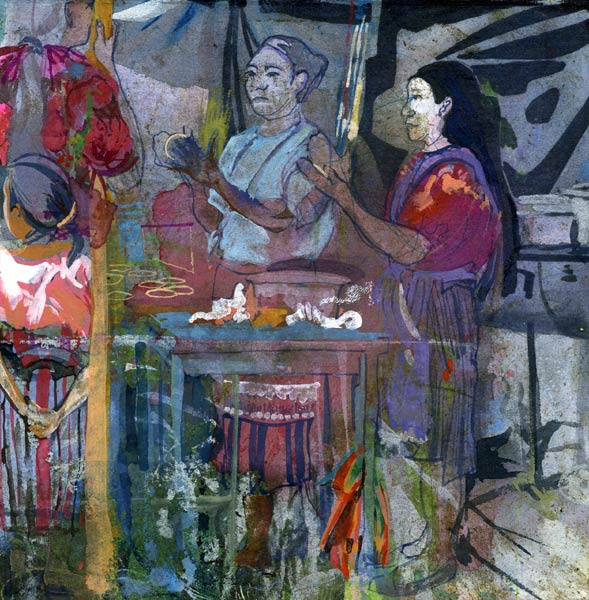
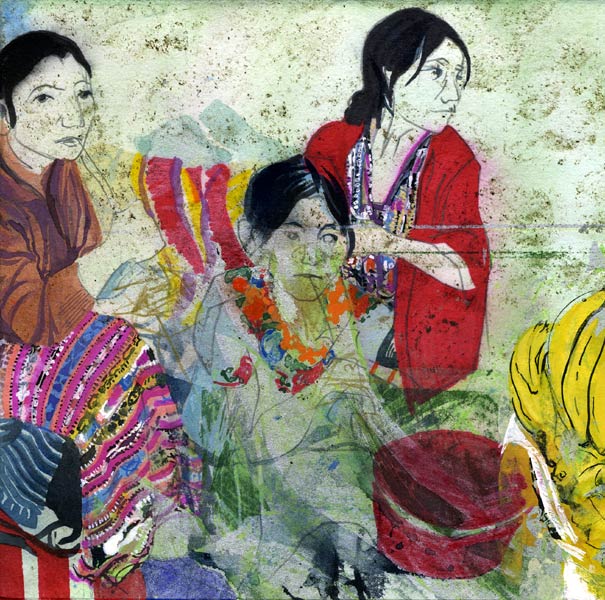
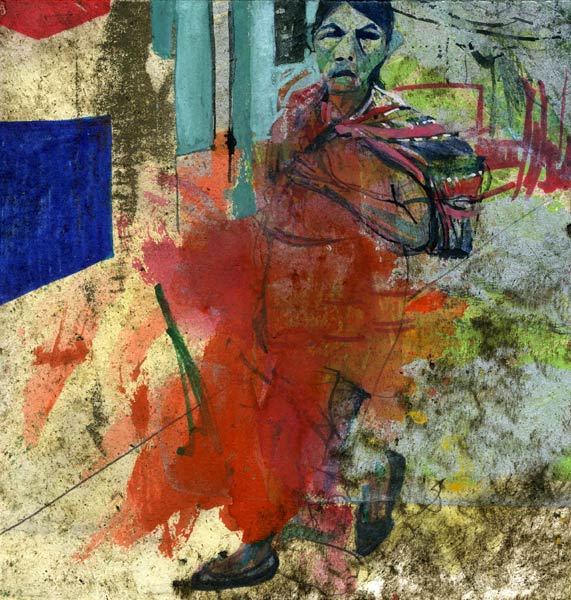
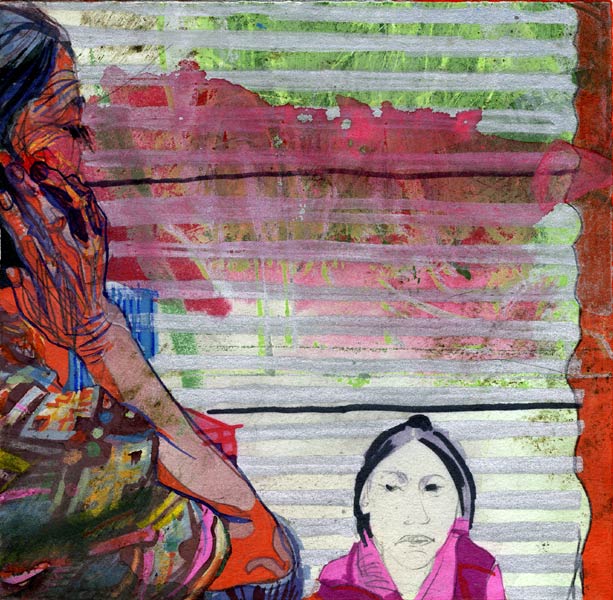
With eleven month old Thatcher Gray on my back, we meander our way though Chichicastenango’s Saturday market, awash in vibrant Mayan color and patterning. Women gather to sell an assortment of crafts and farm goods, chattering away as they prepare scrumptious meals and weave their way slowly through the dense collection of colorful stands to fulfill their weekly needs. Thatcher has few words but he quickly picks up on the tone of the negotiations around us and chatters away in rhythm as we pass. Many touch his blonde head for luck, and as a sort of blessing shared with children who are considered sacred. It is inspiring to see the vibrancy of traditions expressed here after long years of repercussions from the genocide against Mayans.
Jonathan Moller is a Denver based photographer who worked with the office of peace and reconciliation to document the exhumations of graves that were filled by Mayan victims of genocide to prove it had occurred. Embedding himself in the impacted communities, he broadened the representation by including images of the process of tending to loved ones as they were mourned then given a proper burial. He portrays the lives of these resilient people in ways that open the potential for connection and understanding, encouraging empathy for those subjected to extremist behaviors. His book is available to purchase on his website. I included some of his in the exhibition on genocide I curated for the Mizel Museum in Denver. He inspired my approach of portraying approachable human elements in this series of market scenes.
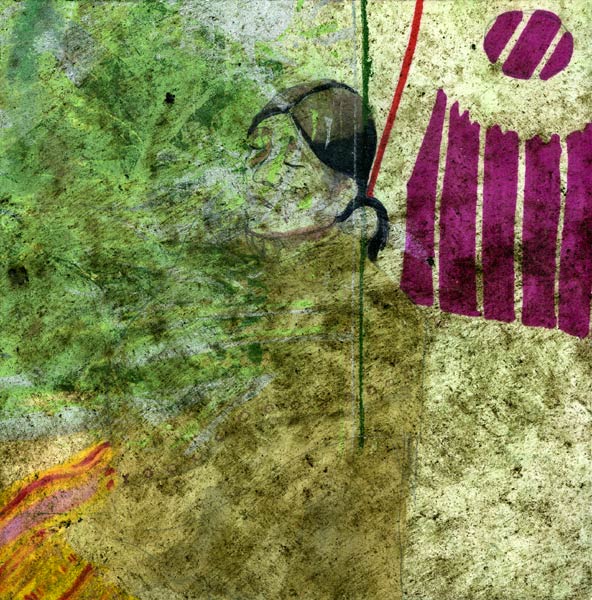
Guatemalans have had a difficult path in the latter part of last century. It has inspired many communities to weave tight bonds and stand up to the terror inflicted upon their loved ones. I thought extensively of this history, and how we as Americans are tied, while creating these multi-media works on paper. Starting with stone lithograph prints of rain forest inspired drawings, I used my pickup truck to lay down tire tracks with fresh tar in an alternative printmaking process, then tore them up into small squares. The process represents the fragmentation of Mayan land and culture as US based corporate interests were exploiting the land to use in industrialized multinational agriculture…one of the terrible impacts of a mobilities based food system. The US government even had a role to play in the atrocities that took place against Mayan populations.
Atop this foundation, cultural persistence is reflected by portraying the vibrancy of Mayan communities partaking in age old exchanges. When we think of the impacts our choices make, we can help heal these kinds of communities by choosing to source our food locally. While it may seem that we are supporting Guatemalan farmers when buying coffee or bananas from Guatemala, in fact we are not. Unless the product is specified as ‘fair trade’, the support goes to multinational corporations who practice land grabbing, labor exploitation and intense pesticide use which has decimated watersheds. To best support Guatemalan capacity to feed themselves and tend landscapes sustainably, we should be mindful about buying local food in season so that we decrease the demand for a mobilities centered and exploitative trans-national food system.
All works were created in 2010 in Taos
Lee Lee & Thatcher Gray | Chichicastenango Market, Guatemala 2009 – 14″ x 14″
Mixed media including tar, sharpie, colored pencil, watercolor and gouache on torn stone lithograph





 Lee Lee